Folsom
Folsom is a growing suburban city near Sacramento known for its historic district, technology workforce, and family-friendly neighborhoods. Its expanding population has led to a modern and varied restaurant landscape.
Dining in Folsom includes American casual restaurants, brunch cafés, steakhouses, and burger spots serving residents and visitors. The historic downtown area features independent restaurants, dessert shops, and coffee cafés.
International cuisine is widely available, including Mexican restaurants, sushi bars, Indian cuisine, Mediterranean food, and Asian fusion dining. Shopping centers often host a mix of fast-casual chains and locally owned eateries.
Overall, Folsom offers a clean and accessible suburban food environment where visitors can easily discover both casual American dining and international restaurant options.
World Cuisine: Original Dish
Explore the authentic version of Ropa Vieja from around the world that inspired the local variations you find in Folsom, CA, US. These dishes are loved globally and offer a true taste of their country of origin. Discover where it all began and how it's enjoyed in different cultures.

 Spain
Ropa Vieja is a savory stew made from shredded beef (often flank steak), bell peppers, onions, tomatoes, and garlic, slowly simmered until rich and deeply flavorful. The dish originates from the Canary Islands, later becoming a national dish of Cuba through Spanish colonization, where it took on iconic status in Caribbean cooking. The name means “old clothes,” referencing the meat’s thread-like texture.
It’s commonly served with white rice, black beans, or fried plantains, especially for lunch or Sunday family meals.

 Cuba
Ropa Vieja is Cuba’s national dish, made by slow-cooking flank steak until tender and shredding it into strands, then simmering it in a rich sauce of tomatoes, bell peppers, onions, garlic, olives, and spices like cumin and oregano. The name means “old clothes” in Spanish, referencing the meat’s stringy appearance. Originally from Spanish Canary Island immigrants, it became a Cuban comfort food staple, traditionally served with white rice, fried plantains, and black beans.
Common variations include the addition of green peas, capers, or a spicier version with chilies.

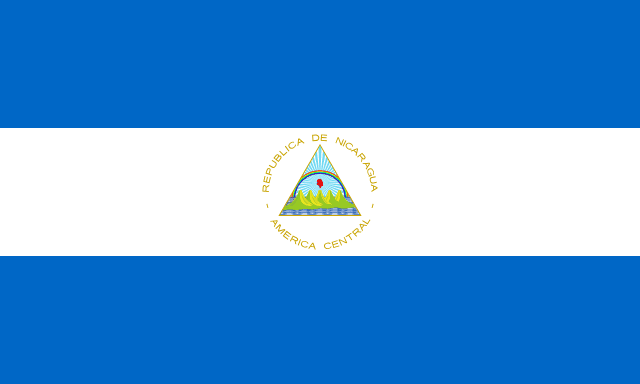 Nicaragua
Indio Viejo is a traditional cornmeal stew made with shredded beef, tomatoes, onions, garlic, sour orange juice, and masa to thicken. It's rich, tangy, and full of history — believed to date back to pre-Columbian times. Typically eaten with tortillas, it’s one of Nicaragua’s most culturally symbolic dishes.
Top Dishes Near You
No dishes found matching your search.
FAQs
NearFeast helps you discover top-rated Ropa Vieja restaurants in Folsom, CA, US. Browse verified reviews, photos, menus, and ratings to find the perfect spot for authentic Ropa Vieja cuisine. Check ratings, pricing, and user reviews to make the best choice.
The roots of Ropa Vieja trace back to Spain, a country with rich culinary traditions.
Ropa Vieja is a savory stew made from shredded beef (often flank steak), bell peppers, onions, tomatoes, and garlic, slowly simmered until rich and deeply flavorful. The dish originates from the Canary Islands, later becoming a national dish of Cuba through Spanish colonization, where it took on iconic status in Caribbean cooking. The name means “old clothes,” referencing the meat’s thread-like texture.
It’s commonly served with white rice, black beans, or fried plantains, especially for lunch or Sunday family meals.
Today, you'll find this dish served in restaurants around the world, including several outstanding locations in Folsom, CA, US. Each variation brings its own unique twist while honoring the original recipe.
Prices for Ropa Vieja in Folsom, CA, US vary depending on the restaurant, ingredient quality, and portion size. On NearFeast, you can compare prices across different restaurants to find options that fit your budget. Most restaurants offer various price points from casual to fine dining.
Look for restaurants with high ratings, verified customer reviews, and quality photos. NearFeast provides detailed ratings, pricing information, address details, and user feedback to help you compare options. Check the menu, read reviews, and see photos before making your decision.
Yes! NearFeast features verified customer reviews and ratings for Ropa Vieja dishes at different restaurants. Read authentic feedback from people who have tried the dishes, see their ratings, and view photos of their meals. This helps you make informed decisions about where to eat.
Ropa Vieja is remarkable because it bridges tradition and innovation.
Ropa Vieja is a savory stew made from shredded beef (often flank steak), bell peppers, onions, tomatoes, and garlic, slowly simmered until rich and deeply flavorful. The dish originates from the Canary Islands, later becoming a national dish of Cuba through Spanish colonization, where it took on iconic status in Caribbean cooking. The name means “old clothes,” referencing the meat’s thread-like texture.
It’s commonly served with white rice, black beans, or fried plantains, especially for lunch or Sunday family meals.
Starting from its origins in Spain, this dish has evolved while maintaining its core identity. Whether you seek the traditional version or a contemporary interpretation, you'll find that Ropa Vieja offers something truly special - a taste of culture, history, and culinary artistry combined.

Find • Discover • Enjoy
About NearFeast
NearFeast is your ultimate destination for discovering authentic local and international dishes near you. Whether you're craving traditional comfort food or exploring global cuisines, our platform connects you with the best restaurants and chefs in your area.
We believe every meal is an opportunity to explore the world's flavors. From street food to fine dining, from hidden gems to beloved favorites—find what you love, one dish at a time. Join our community of food lovers and discover your next favorite restaurant today.