Long Beach
Long Beach is a large coastal city in Southern California known for its major port, waterfront attractions, and diverse population. Its size and international connections create one of the region’s most varied restaurant landscapes.
Seafood is a major feature of Long Beach dining, with restaurants commonly serving fresh fish, shrimp, oysters, and coastal-style dishes near the waterfront. Mexican cuisine is also extremely common, with tacos, street food, and family-run restaurants widely available.
The city also offers strong Asian cuisine options, including Cambodian, Thai, Japanese, and Korean restaurants, reflecting the multicultural communities of the area. American diners, brunch cafés, burger restaurants, and dessert shops are spread throughout shopping districts and neighborhoods.
Overall, Long Beach offers a large and dynamic coastal food environment where visitors can easily discover seafood, international cuisine, and casual Southern California dining.
World Cuisine: Original Dish
Explore the authentic version of Kare-Kare from around the world that inspired the local variations you find in Long Beach, CA, US. These dishes are loved globally and offer a true taste of their country of origin. Discover where it all began and how it's enjoyed in different cultures.

 Philippines
Kare-Kare is a rich Filipino stew made with oxtail, peanut sauce, and a medley of vegetables like eggplant, string beans, and banana heart. Originating from Luzon, it is traditionally slow-cooked until the meat becomes tender and the sauce thickens to a nutty, savory base. It’s commonly served during family gatherings and festivals, paired with steamed rice and bagoong (fermented shrimp paste) on the side. Kare-Kare is believed to have roots in pre-colonial cuisine, with later influences from the Manila galleon trade and colonial-era cooking.
Common variations include tripe (tuwalya), pork knuckles (pata), or seafood (kareng dagat).

 Thailand
Gaeng Kari, or Thai Yellow Curry, is a mellow, creamy curry made with yellow curry paste, coconut milk, potatoes, and onions, usually simmered with chicken, beef, fish, or tofu. The paste includes turmeric, coriander, cumin, and galangal, giving the curry its signature golden hue and earthy warmth. Influenced by Indian and Muslim cuisine, Yellow Curry is less spicy than red or green curries and is popular across southern and central Thailand. It’s typically served with steamed jasmine rice or sometimes with roti.

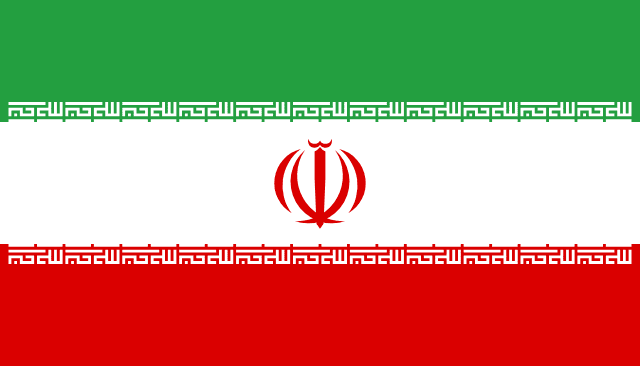 Iran
Kale Pache is a rich, hearty Iranian stew made by slow-cooking a combination of sheep’s head, trotters, tongue, and sometimes brain overnight with onions, turmeric, and salt, resulting in a thick, gelatinous broth. Originating from Iran, particularly popular in Tehran and other major cities, Kale Pache is a traditional early morning meal, served in specialized eateries called kale pazi, often eaten for breakfast or after long nights, valued for its deep flavor and nourishing qualities.
Top Dishes Near You
No dishes found matching your search.
FAQs
NearFeast helps you discover top-rated Kare-Kare restaurants in Long Beach, CA, US. Browse verified reviews, photos, menus, and ratings to find the perfect spot for authentic Kare-Kare cuisine. Check ratings, pricing, and user reviews to make the best choice.
The roots of Kare-Kare trace back to Philippines, a country with rich culinary traditions.
Kare-Kare is a rich Filipino stew made with oxtail, peanut sauce, and a medley of vegetables like eggplant, string beans, and banana heart. Originating from Luzon, it is traditionally slow-cooked until the meat becomes tender and the sauce thickens to a nutty, savory base. It’s commonly served during family gatherings and festivals, paired with steamed rice and bagoong (fermented shrimp paste) on the side. Kare-Kare is believed to have roots in pre-colonial cuisine, with later influences from the Manila galleon trade and colonial-era cooking.
Common variations include tripe (tuwalya), pork knuckles (pata), or seafood (kareng dagat).
Today, you'll find this dish served in restaurants around the world, including several outstanding locations in Long Beach, CA, US. Each variation brings its own unique twist while honoring the original recipe.
Prices for Kare-Kare in Long Beach, CA, US vary depending on the restaurant, ingredient quality, and portion size. On NearFeast, you can compare prices across different restaurants to find options that fit your budget. Most restaurants offer various price points from casual to fine dining.
Look for restaurants with high ratings, verified customer reviews, and quality photos. NearFeast provides detailed ratings, pricing information, address details, and user feedback to help you compare options. Check the menu, read reviews, and see photos before making your decision.
Yes! NearFeast features verified customer reviews and ratings for Kare-Kare dishes at different restaurants. Read authentic feedback from people who have tried the dishes, see their ratings, and view photos of their meals. This helps you make informed decisions about where to eat.
What sets Kare-Kare apart is its authenticity and complexity. Rooted in the culinary traditions of Philippines, this dish showcases unique ingredients and preparation methods -
Kare-Kare is a rich Filipino stew made with oxtail, peanut sauce, and a medley of vegetables like eggplant, string beans, and banana heart. Originating from Luzon, it is traditionally slow-cooked until the meat becomes tender and the sauce thickens to a nutty, savory base. It’s commonly served during family gatherings and festivals, paired with steamed rice and bagoong (fermented shrimp paste) on the side. Kare-Kare is believed to have roots in pre-colonial cuisine, with later influences from the Manila galleon trade and colonial-era cooking.
Common variations include tripe (tuwalya), pork knuckles (pata), or seafood (kareng dagat).
- elements that are carefully balanced to create harmony on your palate.Every restaurant on NearFeast that serves it brings their own flair while respecting the dish's essential character. It's a journey of flavors you'll want to experience again and again.

Find • Discover • Enjoy
About NearFeast
NearFeast is your ultimate destination for discovering authentic local and international dishes near you. Whether you're craving traditional comfort food or exploring global cuisines, our platform connects you with the best restaurants and chefs in your area.
We believe every meal is an opportunity to explore the world's flavors. From street food to fine dining, from hidden gems to beloved favorites—find what you love, one dish at a time. Join our community of food lovers and discover your next favorite restaurant today.